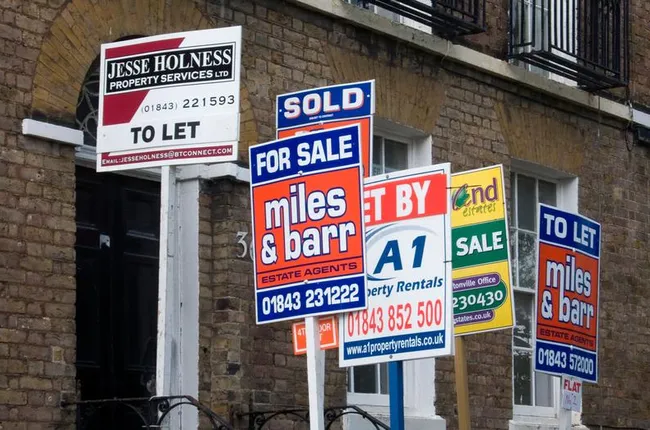
Key Highlights
Adults are struggling to break into the UK housing market due to high demand, rising inflation, and changing legislation. The younger generation opt to live longer with their parents as they save up for a down payment, while others who have moved out are struggling with rent and utilities. Many are forced to move back home unable to keep up with the costs. Smaller landlords are pushed out the business due to changing legislation affecting costs.
Renting or buying, the UK housing market is weakening under high demand, rapid inflation, and changing legislation. Younger generations face uncertainty in moving out of their parents’ home.
While the younger generation is told to be patient and save, save - the elusive dream of moving into their own place seems unattainable. Privilege is surely living with parents, but at what cost? Freedom, personal space, and a chance of an adult life that was once a given for most over twenty.
Now, around 1.7 million adults between 24 and 34 still live with their parents. It can take a minimum of eleven years to save up for a down payment. And the barriers don’t even just begin there.
A deposit for a house is usually 10% of the price, which, of course, depends on the size, location, and amenities. However, what is apparent is that location is one of the biggest factors when it comes to price and deposits. In the North East, a deposit is usually £13,100, Scotland £13,900,Yorkshire and Humber is £15,400, and London at £44,800. Individuals may be forced to move away from the security of their parents' home nearby, search for jobs elsewhere, or simply remain stuck, limited by employment options on top of their savings.
Economic instability and interest rate changes also affect confidence in the housing market.
“First-time buyers are more cautious due to mortgage affordability constraints”, a UK-based independent property company, SMART Properties HD, explains.
They noted that higher mortgage rates, which currently sit at 4.26% for a two-year fixed rate, have reduced affordability.
Rising interest rates have had the most significant impact over the past five years, influencing borrowing costs, affordability (cost of living), transaction levels, and overall market sentiment.
So, pushed out of purchasing, want-to-be homeowners turn to renting, impacting the hoped affordable market.
“At the same time,” SMART Properties says, “rental demand has increased substantially because would-be buyers are delaying purchases.”
In the last year, the average UK rent has increased by 3.5% to £1,367 per month, while the median monthly pay (as of January 2026) was £2,588. On top of this, tenants need to pay for necessities such as utility bills and council tax (which can range from £998 to £2,671 within Band D).
“I’d say the main problems were utilities, council tax, and rent,” 21-year-old Leoni Clancy said in an interview with the BBC, after she was forced to move back into her parents' home from just nine months of renting.
Renting demographics are also a clear indicator of how the housing market has changed over the generations. Renters aged 16-24 fell by 16% (to 447,000) between 2014 and 2024, and those between 24-35 dropped by 9% (to 1.45 million).
SMART Properties noted that the majority of renters are typically between 25 and 34, but “we’ve seen a growing number of renters in their late 30s and early 40s (including professionals and families) due to challenges affording properties.”
Private renters between the ages of 55 and 64 grew by 66% in the past decade. Reasons such as personal preference, saving for retirement, and selling homes to cover debt have been cited.
Clearly, it is not just younger people who are struggling to get on the housing ladder, as even adults with established careers are stuck in rentals.
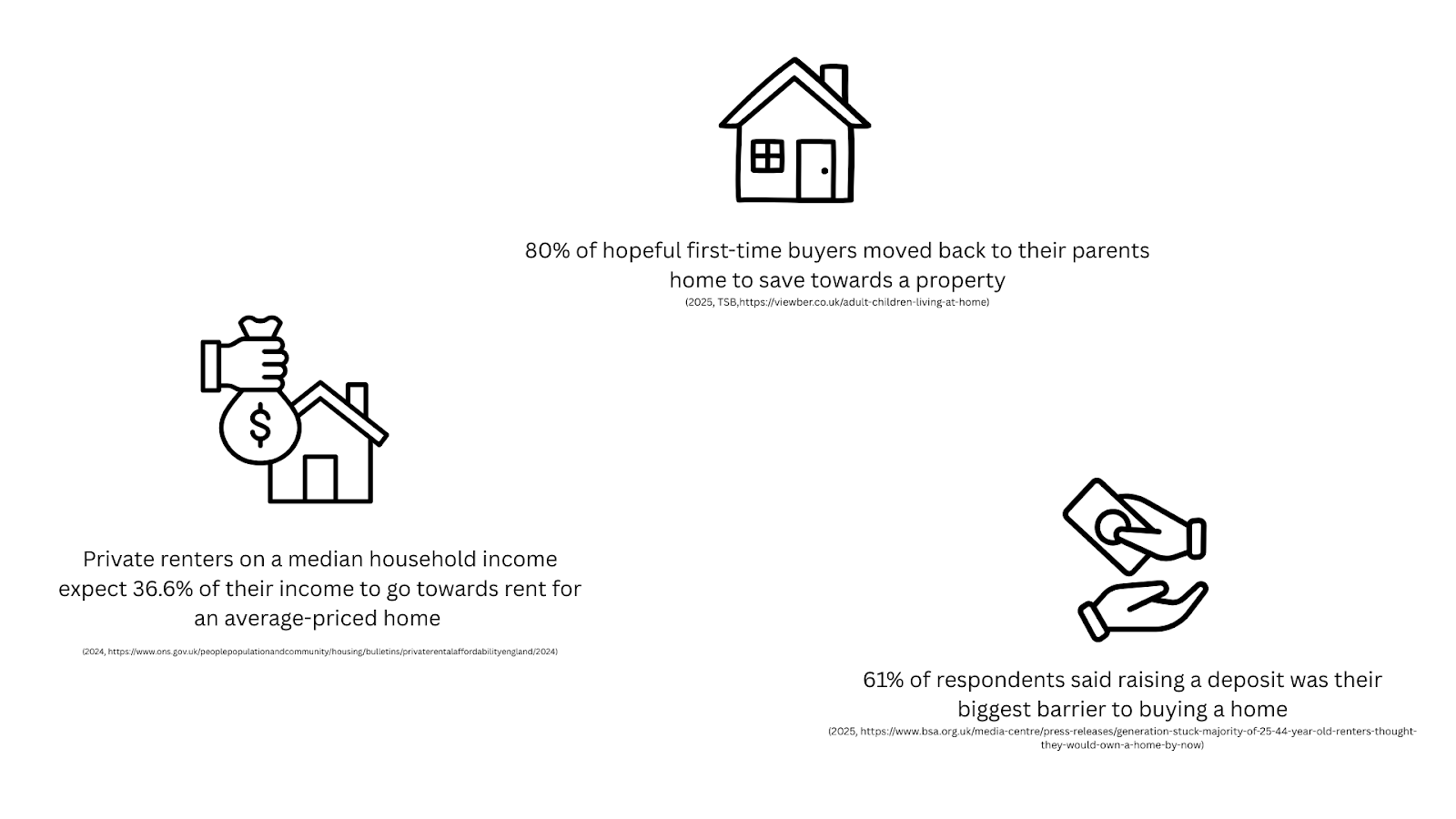
Changing regulations can also push prices up.
“We’ve seen increased concern around tax changes, compliance requirements, and proposed rental reforms,” SMART Properties commented on the landlords’ perspective.
The Renter’s Rights Act has been updated, and the Government mandates that rental properties must meet a minimum rating of C on the Energy Performance Certificate. This will come into motion in 2028 for new tenancies, and 2030 for existing tenancies.
Although key details are missing, landlords will have to invest more in their properties, which could roll over into rental prices, another blow for renters who may already be struggling or barely scraping by.
“Some smaller landlords have exited the market because they are uncertain about the new changes,” a spokesperson from SMART Properties went on to say, “while more experienced investors are restructuring portfolios to focus on higher-yield opportunities and professional management.”
The housing market is failing the UK public. Whether renting, buying, selling, or letting - we are all in the same four-walled boat, sinking under inflation, rising costs, and mammoth-sized deposits.